
What Makes One Benson Plumbing Quote Differ From Another: Factors Behind Each Kind of Job
No honest price can be set without seeing the job, so this page lists the factors that raise or lower it for each kind of work. Use it to read a quote, compare two and know what to ask before you agree.
Call (520) 340-7175Phones covered around the clock
Why this page lists factors, not prices
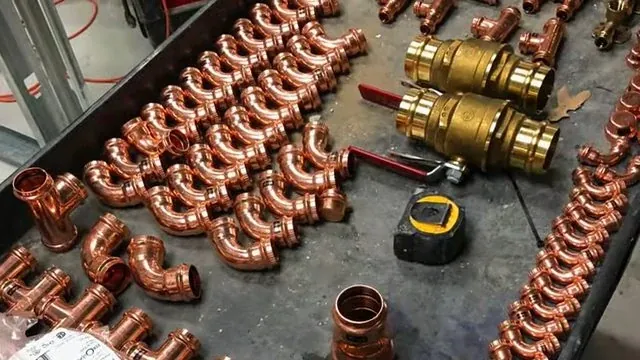
A plumbing price is the sum of several decisions, and most of them are made on site: where the problem is, how hard it is to reach and what the repair must meet. A price quoted over the phone for a leak in a wall cannot know whether the wall is plaster or tile, and a number published on a web page cannot know your house. We found no published, sourced price data for Benson, so this page does not state any. It lists what moves a price for each kind of job, so you can compare one quote with another on equal terms. For quick answers to other questions, see short answers.
What a written quote should separate
| Line | What it covers | Why it matters |
|---|---|---|
| Diagnosis | The time to find the cause, including any camera or detection work | Some visits end with a diagnosis and a separate repair scope |
| Labor and parts | The work itself and the materials or equipment installed | Lets you compare brands and materials side by side |
| Access and restoration | Opening floors, walls or ground, and putting the surface back | Often the largest unknown on hidden-pipe jobs |
| Permits and inspection | Fees and the time to call the inspector | Varies by jurisdiction; ask the Building Department |
| Disposal and cleanup | Removing the old unit or debris | Check whether it is included |
| After-hours or urgent visit | What a night or weekend visit adds, if anything | Ask how it is described on the invoice |
Drains, sewer lines and leaks: what moves the price
Drain cleaning
- Where the blockage sits: a fixture trap, a branch line or the main line, and whether a cleanout gives access.
- Whether a camera look is needed to confirm the cause before cleaning.
- The length of the run being cleared and the tool required; see which tool the drain needs.
- Roots, grease or scale, since each calls for a different cutting head or jetting setup.
Sewer line repair
- Length and diameter of the line, and how deep it runs.
- Condition of the pipe: a crack, an offset joint or a collapse.
- Trench against trenchless, and whether side connections must be restored after lining; see lining against replacement.
- Surfaces above the pipe, such as a driveway or landscaping, and the permit and 811 steps before digging.
Leak detection and slab leaks
- The size of the property and how many lines are suspect.
- Detection equipment used (acoustic, thermal or tracer), and whether the leak can be reached without opening a wall or a floor; see how a leak is located.
- Foundation type and time to isolate the leak.
- Spot breakout through a slab against a reroute overhead, and the restoration of flooring and finishes; see repair choices for a slab leak.
Water heaters, pipes and gas: what moves the price
Water heaters
- For repairs: which part failed, whether it is stocked and how old the unit is, which sets the repair-or-replace threshold.
- For replacement: tank size and fuel, plus code items such as an expansion tank, venting corrections and permits; see a water heater swap.
- For tankless: gas line size and meter capacity, electrical capacity and panel space, venting route and condensate drain; see a tankless conversion.
Repiping, water lines and gas
- Repiping: house size, number of bathrooms and stories, access through crawlspace, attic or slab, pipe material and the wall repair afterward; see a repipe.
- Water line: length and depth of the line, trench against trenchless, surface restoration and who owns which section; see a buried water line.
- Gas: run length, pipe material, number of appliance connections and the pressure test and inspection; see new gas piping.
Fixtures, disposals and water treatment
Fixtures and disposals
- Parts against replacing the whole fixture, and the condition of the shutoff valve and supply line; see fixture repairs.
- For a disposal: motor size and build of the unit, plus outlet, switch and discharge changes under the sink; see a disposal swap.
Softeners and filters
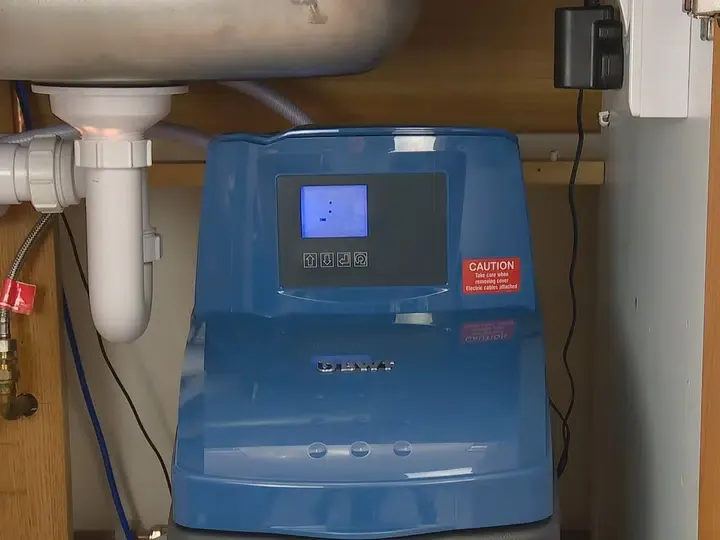
- System type, whether softener, whole-house filter or reverse osmosis, and its capacity.
- Local water hardness, which was not reported for Benson, and the drain and electrical hookup where it will sit; see treatment equipment.
Water damage, commercial work and after-hours visits
A water loss is priced by what was wet and what must be dried or removed, which turns on the volume of water, the materials it reached, whether it was clean supply water or sewage and how long it sat; see a water loss. Business plumbing adds scope and building size, access outside opening hours and grease or maintenance requirements; see business plumbing.
An after-hours visit can differ from a scheduled one, and a night call sometimes ends with a temporary stop-gap and a scheduled repair instead of a full repair at the same visit. Ask what the visit includes, and get the difference described in writing before work starts.
Permits, ownership and who pays for what
Ownership decides who pays. Who pays follows who owns: within Benson, the pipe from the meter or the sewer main to the building is the owner's, while the meter and the main are the City's. For permits, call the City Building Department on (520) 720-6328; its page names the adopted code editions. Outside the city, Cochise County Development Services handles permits at 520-432-9300. Source: the City of Benson tap and meter form and the Building Department page on bensonaz.gov, checked 2026-10-31.
Want the scope in writing first?
Call, describe the job, and ask for the factors that apply to your address. The plumber who comes explains the scope before work starts.
Call (520) 340-7175 Contact details