Water Softener, Filter or Reverse Osmosis? Fixing Scale, Spots and Taste Problems in Benson
Crust on faucets, spotted glassware and a tank heater that scales up all point to hard water, but the right equipment depends on a number nobody has published for Benson. Phone the dispatcher and a plumber from our team who works the area tests the tap before recommending a softener, a filter or both.
Call (520) 340-7175 Water treatment answersDispatch open seven days
Do you have hard water? Signs and how to test
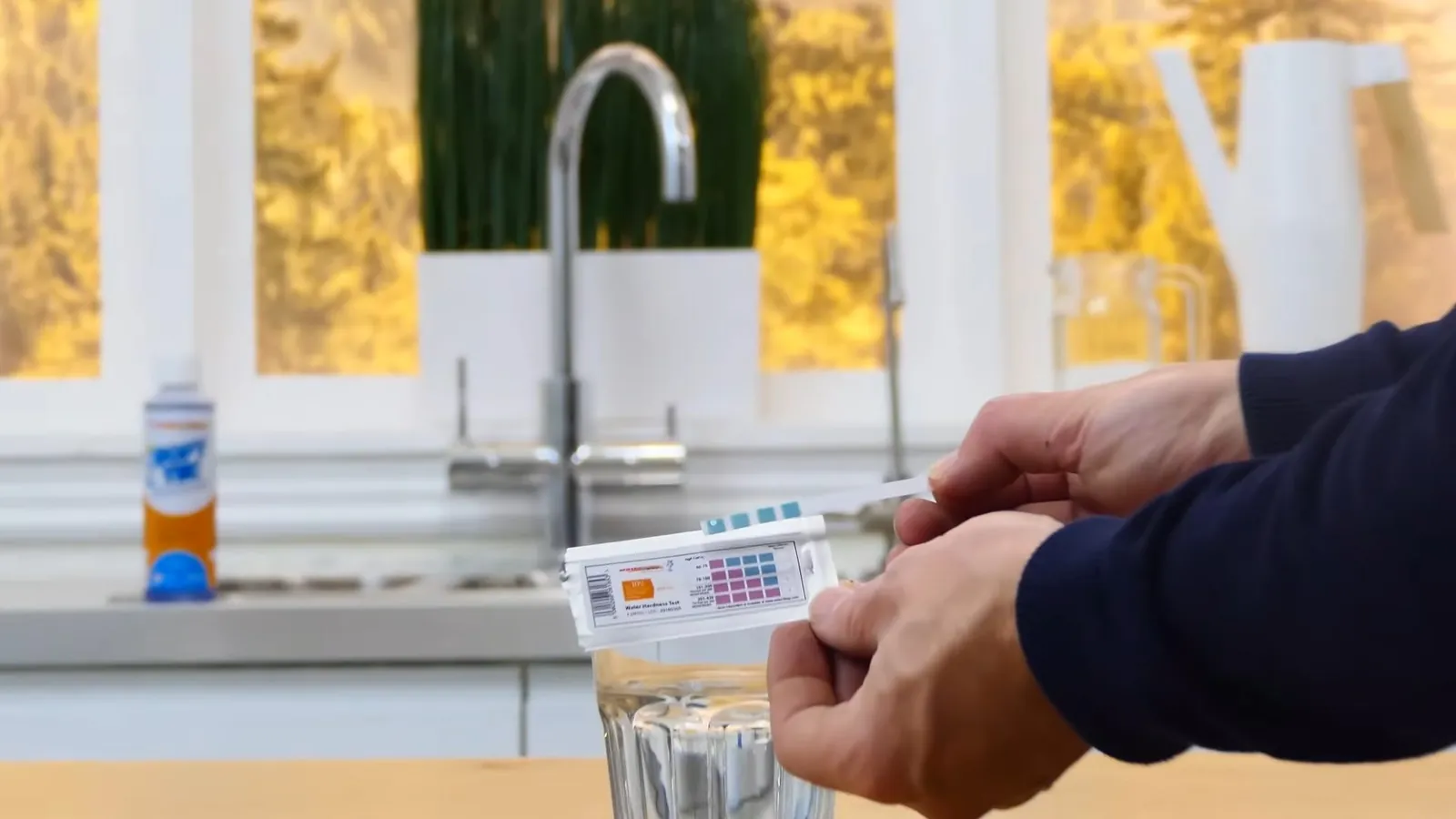
Hard water carries dissolved calcium and magnesium. It shows up as white crust on faucets and showerheads, spots on glass, soap that will not lather, stiff laundry and scale in kettles and heaters. Those signs point toward hardness, but they do not give a number, and the number is what decides whether a softener makes sense and how big it should be.
- Look for the signs above: crust on fixtures, spotting, a film in the tub.
- Call 520-720-6336 to ask whether the Water System holds a hardness figure for your area.
- Test the tap with a kit or a lab sample; a plumber can run the test at the visit.
- Record the result in grains per gallon or milligrams per liter and give it to the installer.
- Retest after any treatment is installed to confirm it is working.
City of Benson water is groundwater from wells in the Middle San Pedro Basin, and the City's 2025 Consumer Confidence Report lists regulated contaminants but does not report hardness. Published third-party figures disagree, so none is used here. Source: City of Benson CCR for 2025, lead and copper section, checked 2026-10-30. A homeowner outside city limits should read the water bill to find the provider and ask it directly.
Softener, filter or reverse osmosis: what each one does
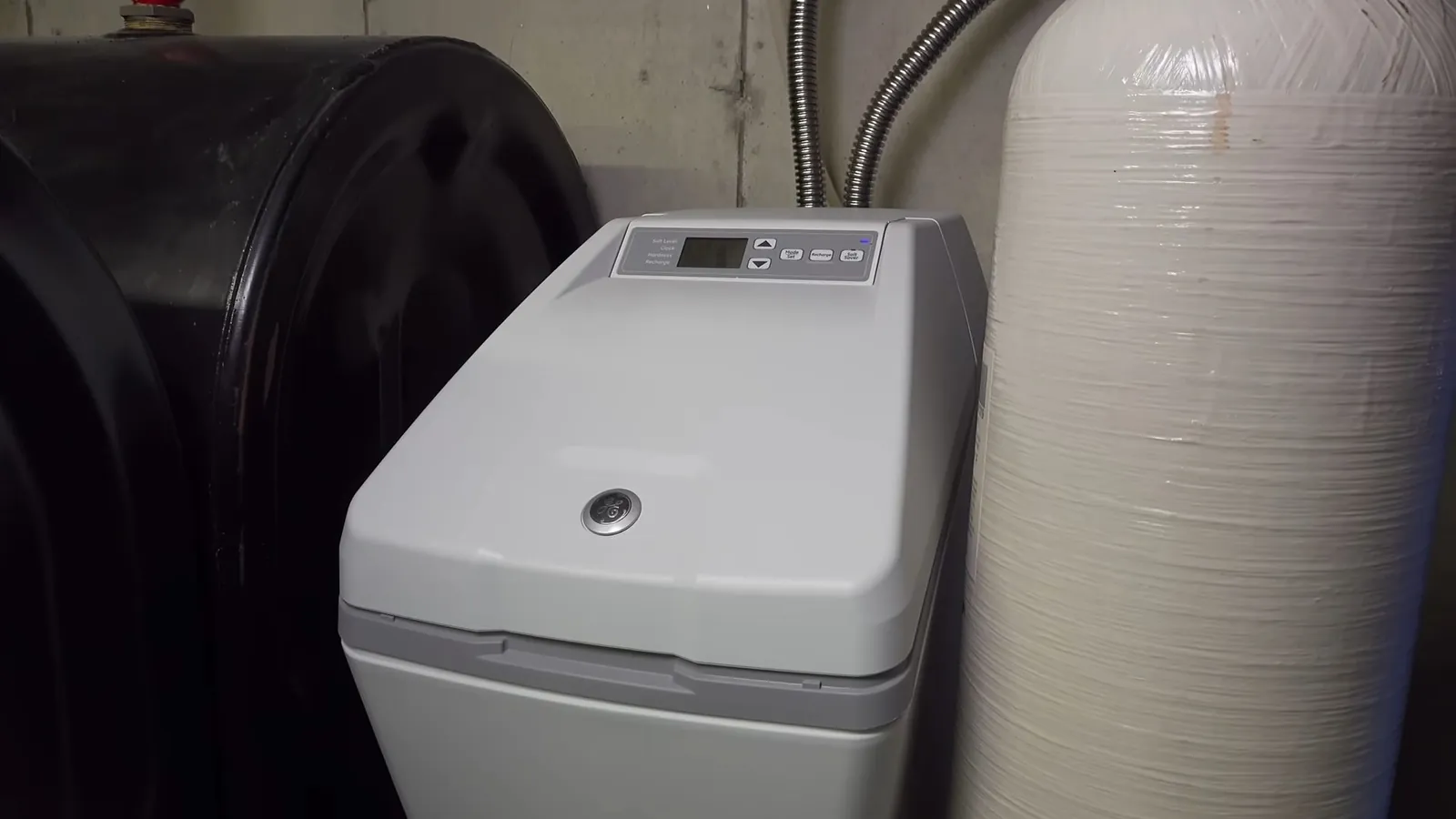
These systems solve different problems, and mixing them up is the most common mistake. A softener exchanges hardness minerals for sodium or potassium and protects pipes, heaters and fixtures from scale. A filter removes particles, chlorine taste or certain contaminants, depending on the media. Reverse osmosis pushes water through a fine membrane to remove dissolved solids and is normally installed at one tap for drinking and cooking.
| System | What it addresses | What it does not do |
|---|---|---|
| Water softener | Scale, soap performance, spotting | Does not filter contaminants or improve taste on its own |
| Whole-house filter | Sediment, chlorine and some taste and odor issues for every tap | Does not soften water |
| Under-sink filter | Taste and some contaminants at one tap | Does not protect the water heater or fixtures elsewhere |
| Reverse osmosis | Dissolved solids and many contaminants for drinking water | Wastes water in the process and does not treat the whole house |
Water softener installation
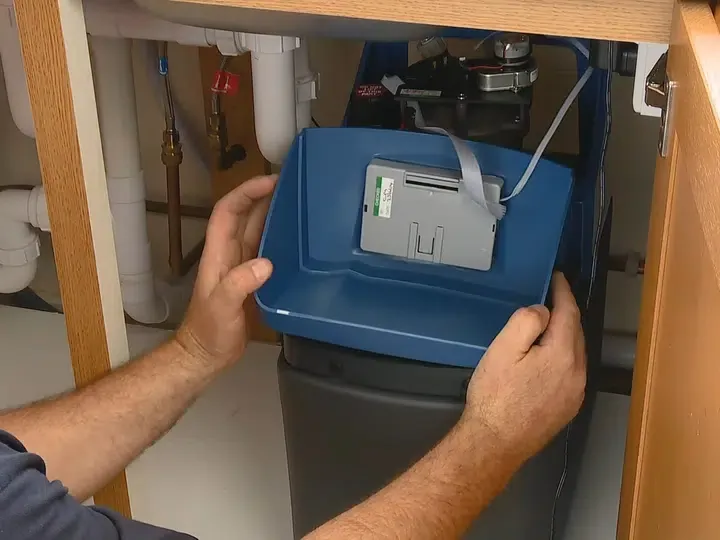
A softener installs on the main line where water enters the house, usually with a bypass valve so it can be isolated, a drain connection for regeneration and an electrical outlet for the controller. Sizing follows two numbers: the hardness measured at the tap and the household's daily water use. Ask the installer to show the calculation instead of choosing a size by house square footage. The location needs room for the brine tank and a nearby drain.
Salt, brine and regeneration
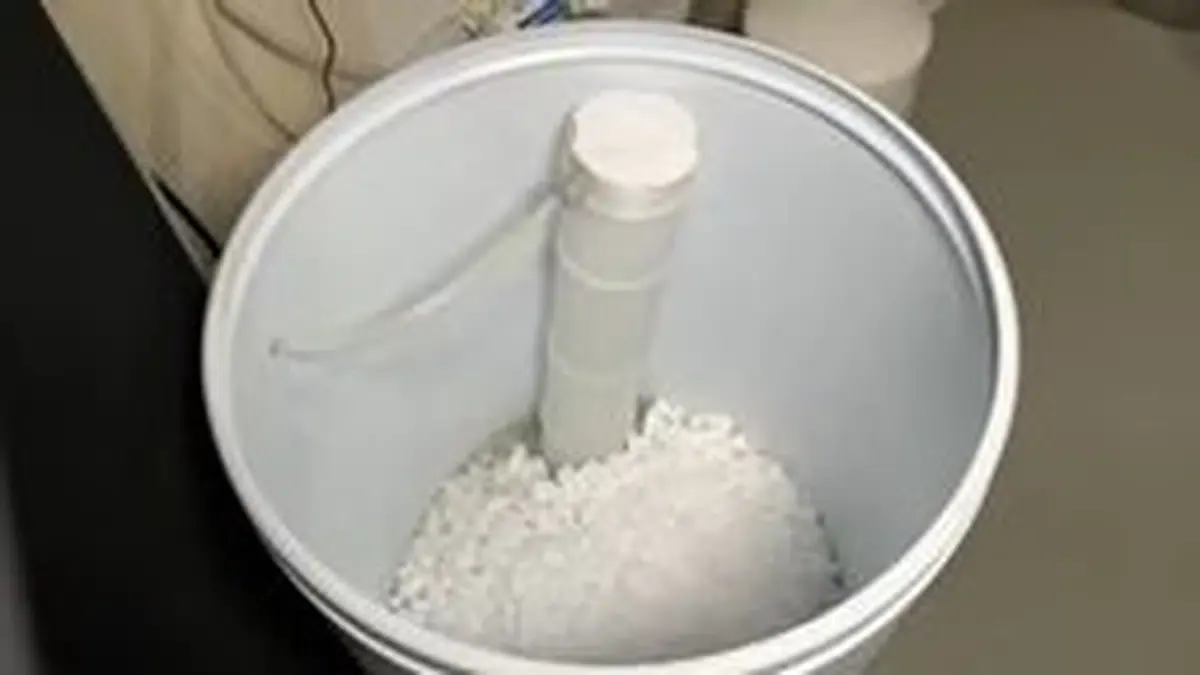
A softener periodically flushes itself with brine to restore its resin beads. That cycle uses salt and water and discharges briny water to a drain. Ask the plumber where the regeneration water will go, since some drain locations are not suitable, and call the Building Department, (520) 720-6328, about any discharge or permit question. Source: Building Department page, City of Benson, checked 2026-10-30.
Softener repair and service
Most softener problems are mechanical or related to salt. A unit that stops softening may have a bridged salt tank, a stuck valve, a clogged injector, a failed resin bed or a controller that lost its settings. Overflow from the brine tank usually points to a failed float or a drain line problem. A water conditioner that makes noise or runs constantly needs its valve checked.
Valve replacement and reinstall
A softener control valve can be replaced without replacing the tank. If the old unit is moved to a new home or reinstalled after a remodel, the plumber reconnects the bypass and the drain and sets the hardness and regeneration schedule from a new test. A fridge water line tied into the softened line deserves a check for a leak at the valve.
Hard water in the water heater
Scale builds up in any heating equipment. See sediment in a tank water heater for what a flush does and scale inside a tankless heater for how descaling is scheduled when the water test is available.
Reverse osmosis and under-sink drinking water filters
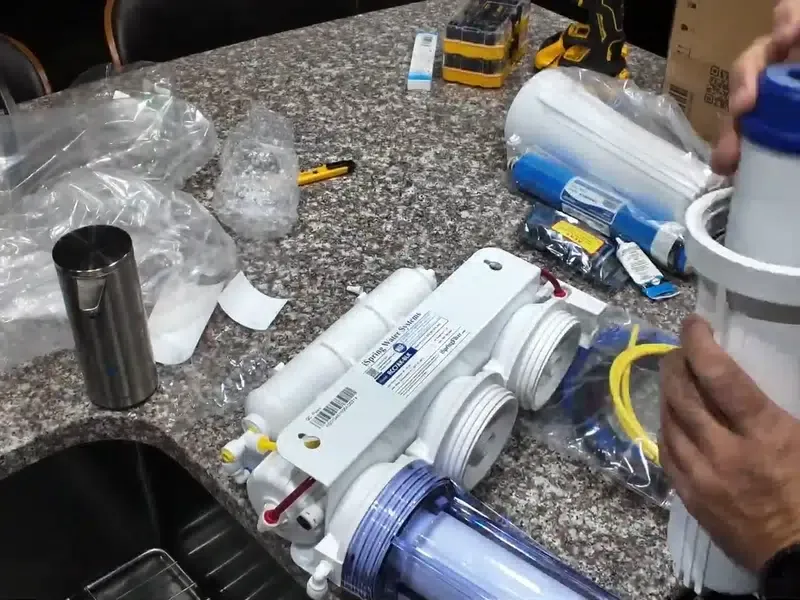
An under-sink system treats the water at the kitchen tap. Filters have a replacement schedule that depends on use and water quality, and an old cartridge can add taste instead of removing it. Reverse osmosis adds a storage tank and a small faucet, and it needs a drain connection. Ask what contaminants the system is certified to reduce, and read the certification mark, since marketing claims do not tell you.
Whole-house filtration
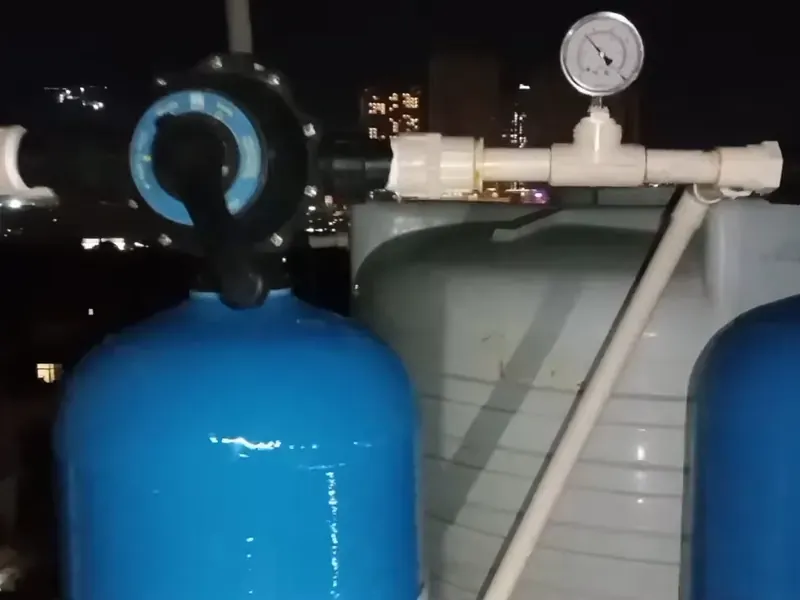
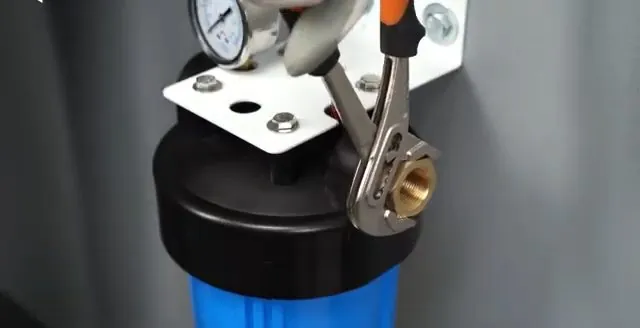
A whole-house filter protects fixtures and appliances from sediment and treats the water at every tap. Sizing depends on flow rate: a filter that is too small restricts pressure, and a clogged one drops flow. Aerators and screens at faucets collect what gets through, and aerators and faucet screens covers cleaning them.
Lead concerns and filter certification
The City of Benson 2025 report lists a lead 90th percentile of 0 ppb against an action level of 15 ppb, sampled in August 2025. That describes the City's tested sites, not every home. If lead worries you, call the Water System on 520-720-6336 about the service line at your address and choose a filter that is certified for lead reduction, not one that only claims to improve taste. Source: City of Benson CCR for 2025, lead and copper section, checked 2026-10-30.
Questions about softeners and filters
How do I know if I have hard water and how do I test it?
Look for crust on faucets, spotting on glass and soap that will not lather. For a number, test the tap with a kit or a lab sample, or call the Water System on 520-720-6336. Benson's 2025 water report does not list hardness.
Can a water conditioner or softener be repaired?
Often. Common faults are a bridged salt tank, a stuck valve, a clogged injector or a controller that lost its settings. A plumber diagnoses it. If the resin bed has failed, replacement of the tank may be the better path.
Why is my water softener overflowing, and how does it affect the fridge line?
Overflow usually comes from a failed float, a blocked drain line or a valve fault. If the refrigerator water line is tied into the softened supply, the plumber checks its valve and fittings for a leak while on site.
Can a water softener valve be replaced or reinstalled?
Yes. The control valve can be replaced without replacing the tank, and a softener can be reinstalled after a move or remodel. The plumber reconnects the bypass and the drain and resets the schedule from a fresh water test.
What is the difference between a softener and a filter?
A softener removes hardness minerals that cause scale. A filter removes particles, chlorine taste or specific contaminants. Reverse osmosis removes dissolved solids at one tap. Many homes use more than one.
Hard water, scale or a softener acting up?
Phone the dispatcher with the symptoms and any test result you have. One of our plumbers checks the equipment and the plumbing around it.
Call (520) 340-7175 Contact details