Dripping Faucet, Running Toilet or Leaking Shower Valve? Fixture Repair in Benson
A faucet that will not stop dripping, a toilet that keeps running or a shower valve that weeps behind the wall wastes water every hour. Call and a dispatcher schedules one of our plumbers, and the plumber identifies the failed part before replacing anything.
Call (520) 340-7175 Fixture answersScheduled and urgent calls both taken
Toilet repair: running, weak flush, rocking and leaking at the base
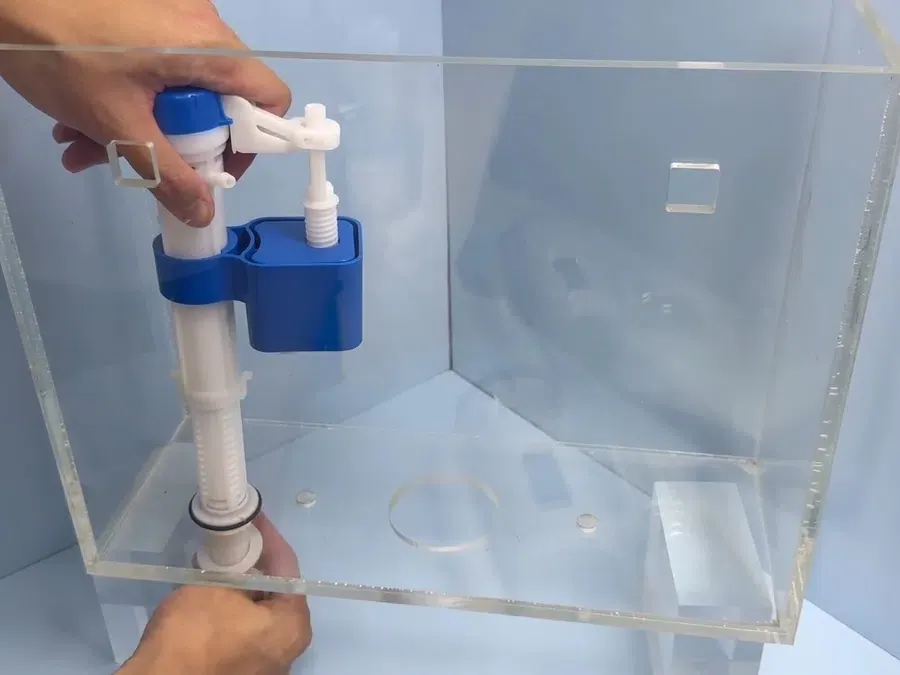
Most toilet problems come from a handful of small parts inside the tank and a wax seal under the bowl. Match the symptom to the likely part before calling, and the visit goes faster.
| Symptom | Likely cause | Fix usually involves |
|---|---|---|
| Water runs into the bowl after the flush | A worn flapper or a chain that is too tight | Replacing the flapper or adjusting the chain |
| Fill valve hisses or the tank refills on its own | A fill valve that has failed or a float set too high | Replacing the fill valve or lowering the float |
| Weak or incomplete flush | Clogged rim jets, a low water level or a partial clog | Cleaning the jets, resetting the level or clearing the line |
| Toilet rocks on the floor | A loose bolt, an uneven floor or a failed flange | Re-seating the toilet with a new seal |
| Water around the base | A failed wax seal, a loose supply line or sweating from a cold tank | Replacing the seal or the supply line |
Running or clogged toilet
A running toilet wastes water around the clock and shows up on the next bill. Remove the tank lid, look at the flapper and the fill valve, and flush by hand to see where the water goes. A toilet that clogs more than occasionally may have a problem beyond the bowl, which is the subject of a stubborn clog.
Shut-off, supply and angle valves: check these first
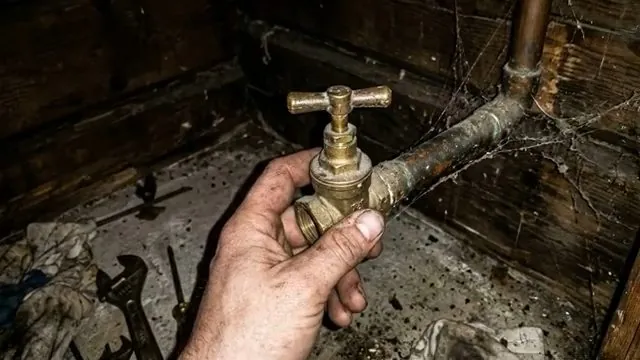
Every sink and toilet should have its own stop valve, usually a small oval or round handle where the supply line leaves the wall. Close it clockwise to stop water to that fixture only. Valves that were never turned in years often seize, drip at the stem or break when forced, which is a reason to test them before an emergency. If a stop valve will not close, shut the main and have a plumber replace it, since a failed valve under a sink is a leak waiting for a bad moment.
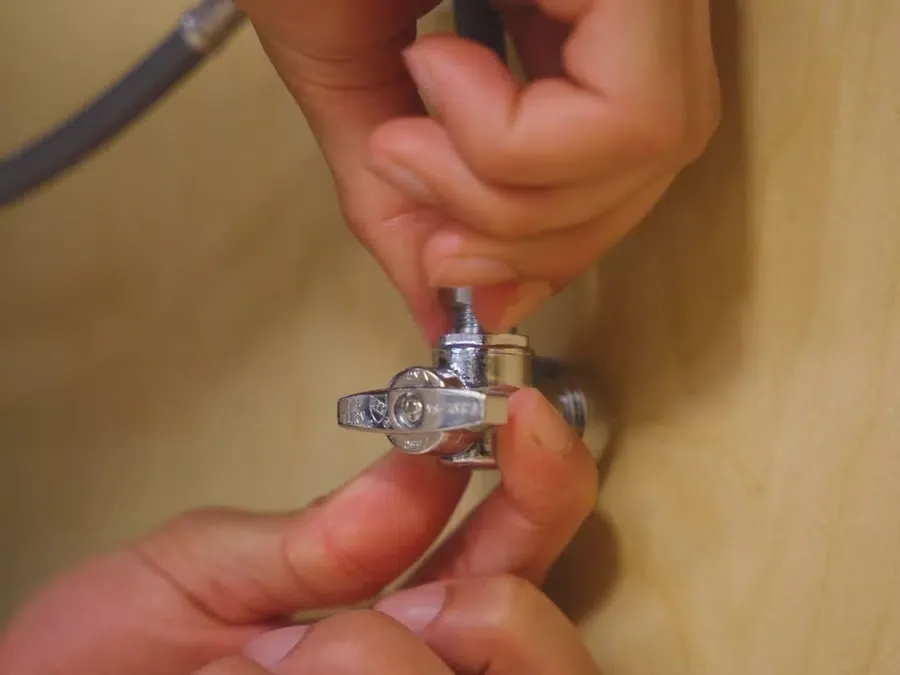
- Turn each stop valve a quarter turn and back to see whether it moves freely.
- Look for green crust or white scale at the stem, which means a slow leak.
- Check the flexible supply line for bulges, rust at the fittings or a braided cover that is fraying.
- Replace supply lines when you replace a fixture, since an old line is a common failure point.
Faucet repair and replacement
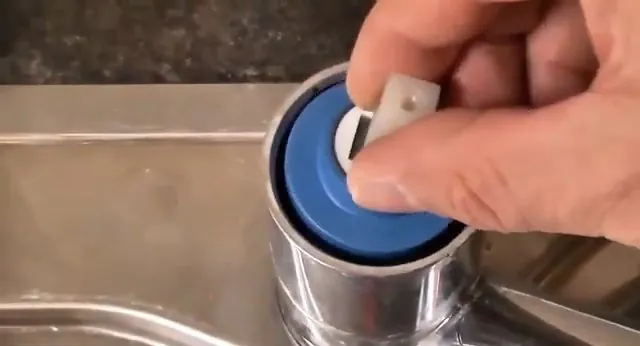
A dripping faucet is almost always a worn washer, cartridge, O-ring or seat. Repair suits a faucet that is otherwise sound; replacement suits one with corrosion, a cracked body, parts that are no longer made or a finish that has worn through. Ask the plumber to identify the faucet type, since compression, cartridge, ball and ceramic disc designs fail in different ways.
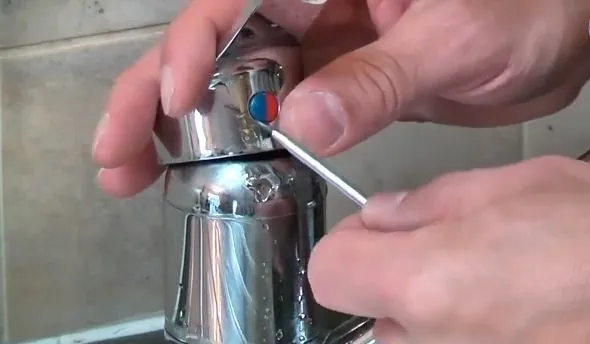
Faucet install and replace
A new faucet is a short job when the sink and supply lines are in good shape. The old faucet comes off, the deck is cleaned, the new one goes in with new supply lines, and the aerator is flushed before use. Tell the plumber how many holes the sink has, whether it has a sprayer or filter line and whether the sink is stone, since some materials limit the choice.
Kitchen sink fixtures
Kitchen sinks combine a faucet, a drain, often a sprayer and a connection for the disposal under the sink, so a leak underneath may come from any of them. Empty the cabinet, dry everything and run each fixture separately, with a paper towel placed under each joint, to see which one drips.
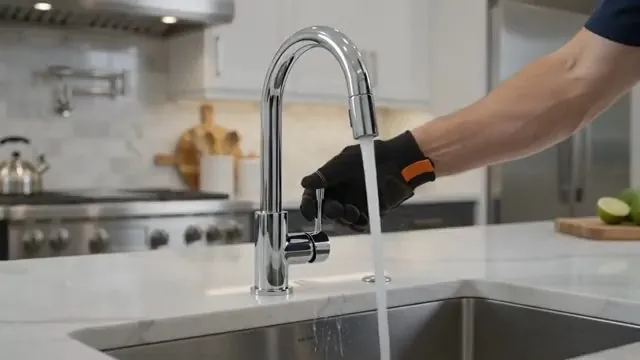
Bathroom sink and vanity
A bathroom sink drips under the basin when a supply line, a stop valve or the drain tailpiece fails. A pop-up drain that will not hold water is a linkage problem. A vanity with a swollen floor or soft back panel has been leaking for a while, and the leak should be located before the cabinet is replaced; see a leak inside a wall.
Bathtub, shower valve and showerhead leaks
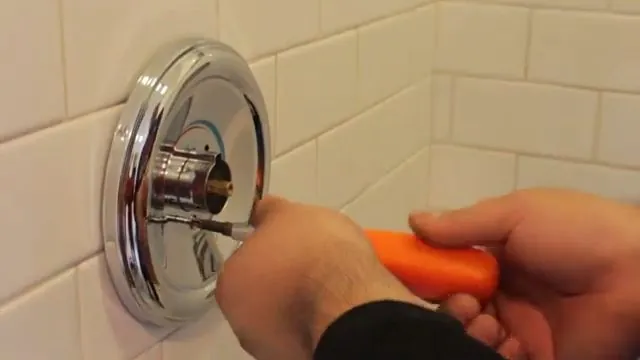
A shower that drips from the head when off usually has a worn cartridge or a stem seat, and a tub spout that gushes while the shower is on points to a failed diverter. These repairs can be made from the front when an access panel exists or the trim comes off; some valves need access from behind the wall, which means opening tile or drywall. A stain on a ceiling below a bathroom is a reason to call before the next shower, since water behind the wall can be a valve, a drain or a supply pipe.
Toilet install or replacement
Replacing a toilet means closing the supply, draining the tank and bowl, removing the old unit, inspecting the flange, setting a new seal and tightening the bolts evenly. Ask about the rough-in distance, the distance from the wall to the center of the drain, because it decides which models fit. A toilet relocation, a dual-flush conversion or an accessible-height upgrade changes the scope and should be quoted separately.
Remodels, rough-in and special installs
When a bathroom or kitchen is being remodeled, the plumber works from the rough-in: the supply and drain stubs set before the walls close. Check the location of each stub against the fixture specifications before the wall is finished, since moving a drain afterward means opening a floor. Specialty installs such as a wet bar, a laundry room, a tub-to-shower conversion, a bidet or an accessory unit each have their own scope, so describe the project when you call.
Outdoor faucets and hose bibs
A hose bib that drips at the stem needs a repacking or new washer, and one that leaks behind the wall when a hose is attached may have a split pipe from freezing. Disconnect hoses in cold weather and close the interior shutoff to a bib that is exposed. If water appears inside the wall when the bib is on, shut it off and call.
Appliance hookups
A washer, a dishwasher and an ice maker each need a supply stop and a drain connection. Use new braided lines, set the drain at the height the appliance requires and test for leaks after the first cycle.
Older supply parts and lead questions
Supply lines and fittings in older homes can include materials that are no longer used. The City's 2025 water quality report says a lead service line inventory had to be finished by October 16, 2024, and that customers may request it. If you are replacing plumbing near the meter or the house entry, call 520-720-6336 and ask about your address, then tell the plumber what you learn. A pressure problem at the entry is covered under the pipe feeding the whole house. Source: 2025 Consumer Confidence Report from the City of Benson, checked 2026-10-30.
Questions about faucets, toilets and fixtures
Can a plumber fix a leaky faucet, or does it need replacing?
A plumber can usually fix a leaky faucet by replacing the washer, cartridge or O-ring. If the faucet body is cracked, corroded or its parts are discontinued, replacement is the better option. The plumber identifies the type and tells you which applies.
Why is my toilet water running?
The usual causes are a worn flapper that lets water leak into the bowl, a chain that is too tight, or a fill valve that does not shut off. Lift the tank lid and watch where the water goes. A flapper is a short repair.
How do I tell how urgent a fixture leak is?
If water is spreading, close the stop valve under the fixture or the main and call. A slow drip can wait for a scheduled visit, but check under the cabinet or around the base daily for dampness and swelling.
How do I fix a leaking outdoor hose bib?
Disconnect the hose and see where it leaks. A drip at the handle needs a new washer or packing nut. Water inside the wall suggests a split pipe, which needs the interior supply closed and a plumber to repair it.
A fixture leaking or a toilet running nonstop?
Close the stop valve under the fixture, then call. A dispatcher schedules one of our plumbers and notes what you already tried.
Call (520) 340-7175 Contact details