
Burst Pipe or Pinhole Leaks in Benson? Repair, Replace or Repipe
A burst pipe is an emergency, and a second pinhole leak is a warning. Call, and a dispatcher assigns one of our plumbers to the job. The plumber identifies the pipe material and how many sections have failed before recommending a patch or a repipe.
Call (520) 340-7175 Burst pipe answersNight and weekend calls answered
Burst pipe: the first minutes
Water from a failed pipe can move through a ceiling, a wall cavity and a floor in the time it takes to find the shutoff. Speed matters more than neatness.
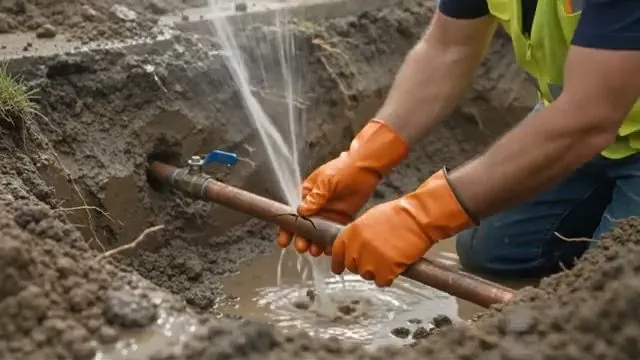
- Close the main shutoff valve where the water line enters the house. If you do not know where it is, find it now, before anything fails.
- Open a faucet at the lowest point of the house to drain what is left in the pipes, and one at the highest to let air in.
- Switch off power to any area with water near outlets, lights or appliances, if you can reach the panel without standing in water.
- Move belongings and furniture away from the wet area and take dated photos.
- Call the dispatch line at (520) 340-7175 and tell the dispatcher where the water is coming from and whether it has stopped.
Once the water is off, the pipe repair is one job and drying out after a pipe burst is another, and each has its own deadline: wet drywall and insulation can start growing mold within days if left damp.
Pinhole leaks and what they suggest
A pinhole leak is a tiny hole that sprays or weeps from a pipe wall. It is usually not a one-off. Pipe that has thinned from the inside tends to fail in several places over time, and copper in particular can corrode from water chemistry or flow. The material is not reported for Benson homes in any source we found, so the plumber should identify what your pipe is and where else it shows wear.
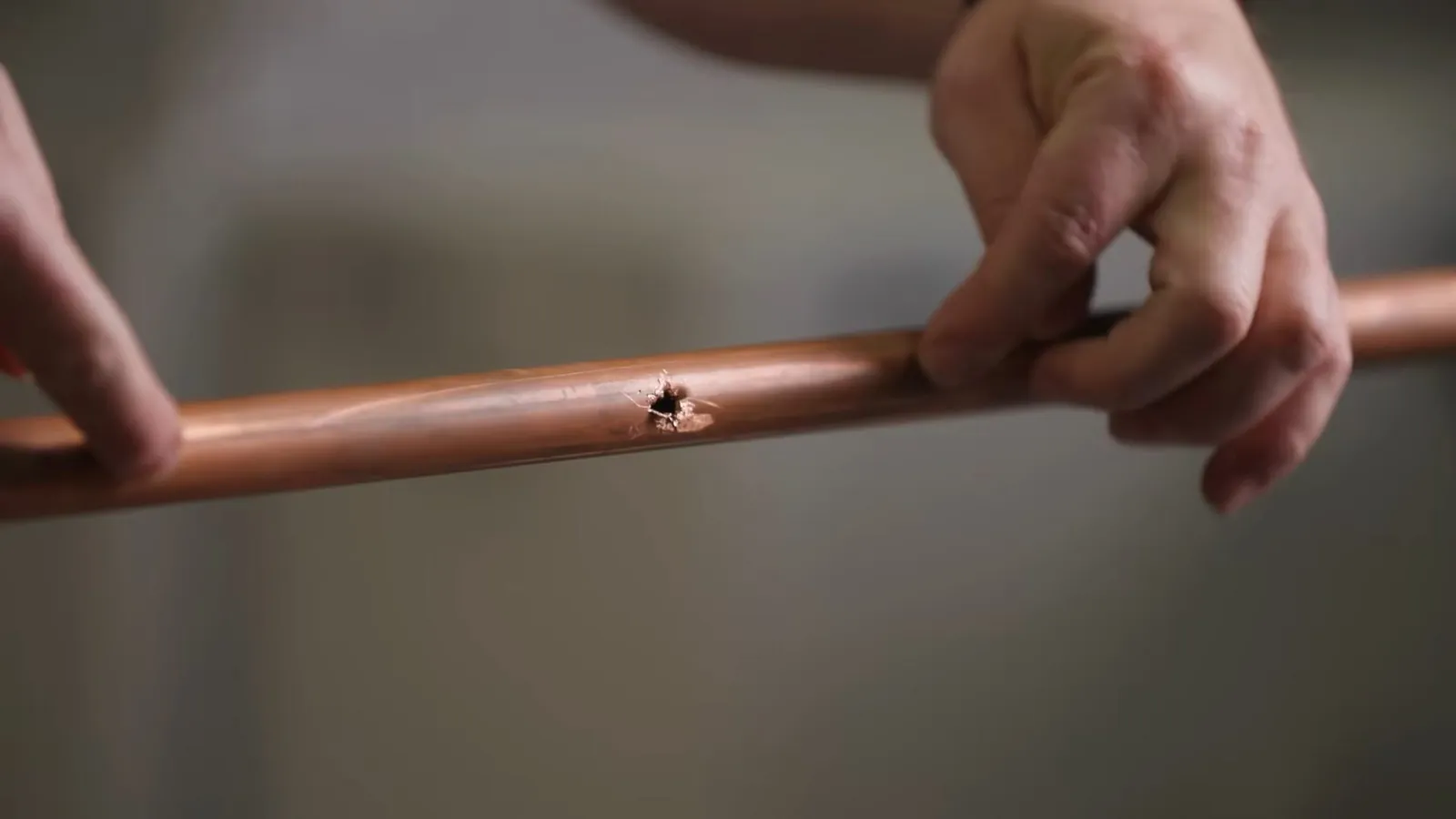
Ask for the number of leaks so far, the location of each, the pipe type and whether the pipe wall looks thin at the cut. Those four facts decide whether this is a repair or the start of a repipe. When the leak itself cannot be located, see finding which section is leaking.
Pipe repair or whole-house repiping: how to decide
A repair replaces the failed section. A whole-house repipe replaces the supply lines throughout the house, usually by running new pipe through walls, attics and sometimes the floor. Neither is always right, and the plumber's evidence should drive the choice.
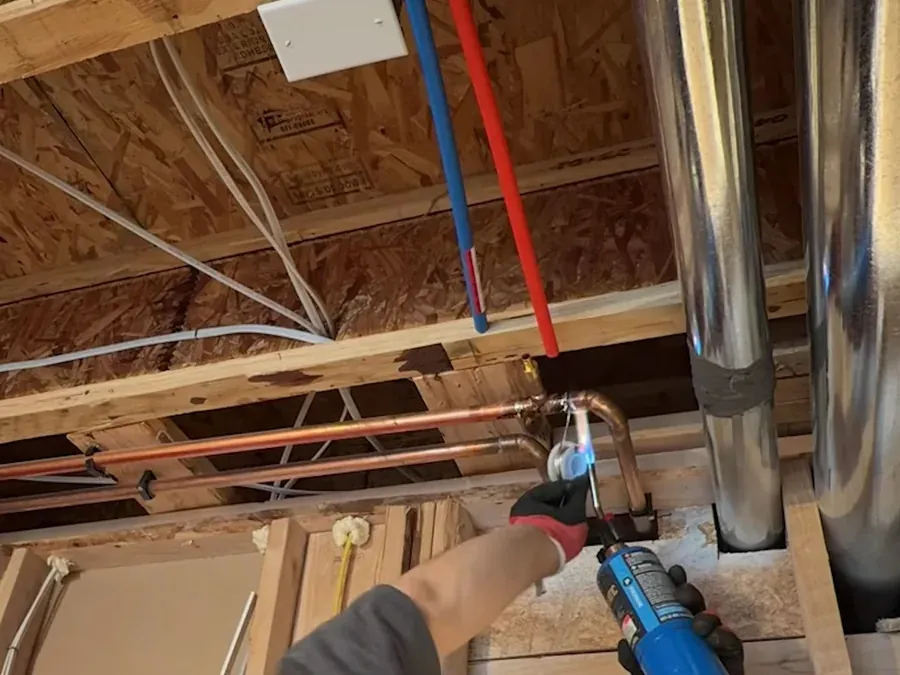
A repair makes sense when
- One leak, in a pipe that is otherwise sound.
- The failed section is easy to reach.
- The pipe material is one that holds up well and has no known pattern of failures.
- The leak had an outside cause, such as damage from a tool or a frozen section.
A repipe starts to make sense when
- Leaks keep appearing in different parts of the system.
- The pipe is a material with a known failure record.
- Water is discolored or pressure has dropped from corrosion inside the pipe.
- Much of the system is hidden or buried, so each leak means opening more.
Ask the plumber to show which section failed and how it looks inside. A written scope should say where each new run goes, what walls or ceilings are opened, who patches and paints afterward, and how long the water is off. If the water heater is near the end of its life, pairing the repipe with a new water heater saves reopening the same walls.
Pipe materials and what each is known for
Copper
Copper is long-lived and widely used, but it can develop pinholes from water chemistry, erosion at fast flow or flux and solder issues at joints. Repairs are simple when the rest of the line is healthy.
| Material | Common concerns | Notes for a repipe discussion |
|---|---|---|
| Copper | Pinholes from corrosion; joint failure | Repair sections or replace the run |
| Galvanized steel | Rust builds inside the pipe and narrows it; low pressure; rusty water | Usually replaced rather than patched when widespread |
| PEX | Fittings and sun exposure; kinks | Flexible and quick to run through walls |
| CPVC | Becomes brittle with age and heat | Cracks may appear at fittings |
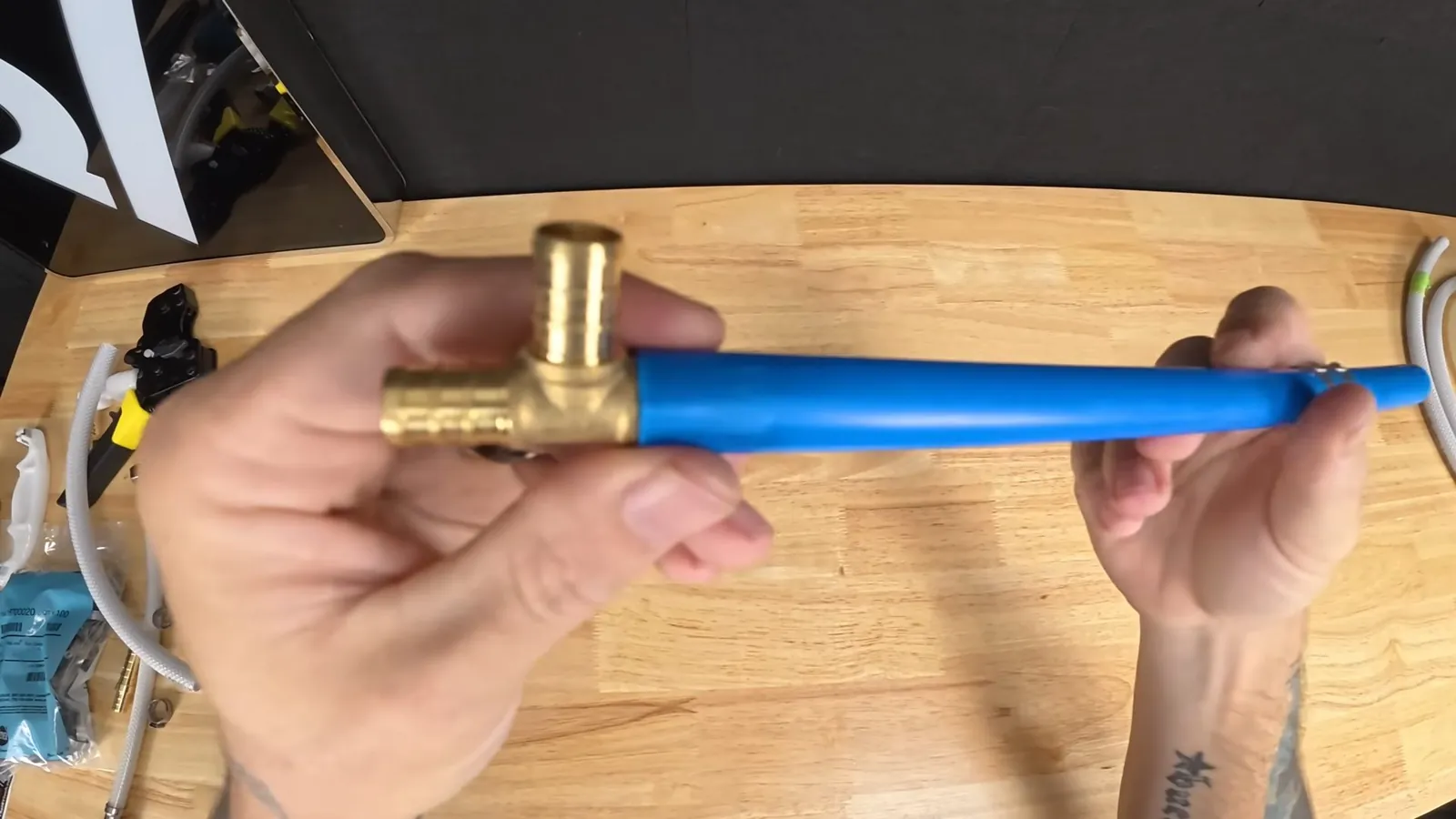
| Polybutylene (gray or blue plastic) | A known history of failure at fittings | Replacement is commonly recommended; ask the plumber to identify it |
| PVC, cast iron | Used for drains and vents, not supply | Drain issues belong on the drain pages |
How to tell if you have galvanized pipe
Galvanized pipe is gray, threaded and magnetic. A refrigerator magnet will stick to steel but not to copper or plastic, and a scratch with a key shows silvery metal. If the pipe is rusty at the joints or water comes out brown after sitting, ask the plumber to confirm the material and inspect the inside at a cut.
Under-slab and underground lines
Where supply pipe runs below a concrete floor or in the yard, a leak is harder to reach and each repair costs more effort than the same leak in a wall. Rerouting through walls avoids the buried section entirely; see pipes that run beneath concrete.
Frozen pipes: thaw safely and prevent a repeat
Southern Arizona winters bring some nights near or below freezing according to published climate summaries, and the pipes most at risk are exposed ones: hose bibs, lines in an unheated garage or outside wall, and uninsulated sections in an attic or crawlspace. Water expands as it freezes, and the pipe may split where ice formed, so the leak often appears only after the thaw.
- Close the supply and open the nearest faucet before thawing so melting water has a place to go.
- Warm the pipe slowly with a hair dryer or warm towels, working from the faucet toward the frozen section.
- Never use an open flame or a torch, which can ignite insulation and damage pipe.
- If a pipe has split, leave the main closed and call a plumber.
To prevent a repeat, insulate exposed lines, cover hose bibs on cold nights, let a faucet drip on a hard freeze night and know where the main shutoff is. Source for the climate context: usclimatedata.com and the Old Farmer's Almanac, secondary sources, checked 2026-10-30.
Permit and inspection questions for a repipe
A repipe is bigger than one repair and may carry a permit and an inspection. The Building Department answers on (520) 720-6328. No published list of which pipe jobs need a permit turned up, so get the answer for your address in writing. Source: City of Benson Building Department, adopted codes and contact, checked 2026-10-30.
Questions about burst pipes and repiping
How do I know if my house has galvanized pipes?
Galvanized pipe is gray steel with threaded joints. A magnet sticks to it, and a scratch shows silvery metal. Rust at joints, low pressure and brown water point to it. Ask a plumber to confirm the material.
What should I do if a pipe bursts?
Close the main shutoff, drain the lines by opening faucets, turn off power near water and move belongings away. Photograph the damage and call the dispatch line at (520) 340-7175.
Is repiping a whole house with polybutylene worth considering?
Polybutylene has a history of failing at fittings, and replacement is commonly recommended once it is identified. Ask the plumber to confirm the material, look for failure signs and lay out a repipe scope.
How can I prevent frozen or burst pipes in Cochise County?
Insulate exposed pipes, cover hose bibs before cold nights, keep the garage door closed on freezing nights, let a faucet drip during a hard freeze and know where the main shutoff valve is.
Can underground or under-slab pipes be repaired without a full repipe?
Yes, if the leak is single and the pipe is sound. A spot repair, a reroute around the buried section or a lining can work. If leaks keep returning, a repipe through walls is the longer fix.
Pipe burst or water coming through a wall?
Close the main shutoff first, then call. A dispatcher assigns one of our plumbers to the job, day or night.
Call (520) 340-7175 Contact details