
Water Damage in Benson? Extraction, Drying and Mold Steps in Order
A burst pipe, a failed water heater or a backup can soak a floor and a wall in an hour, and mold becomes a risk within days. Call the water damage line and a dispatcher hears what happened and routes the job to one of our plumbers.
Call (520) 386-1957 Water damage answersWater damage line open around the clock
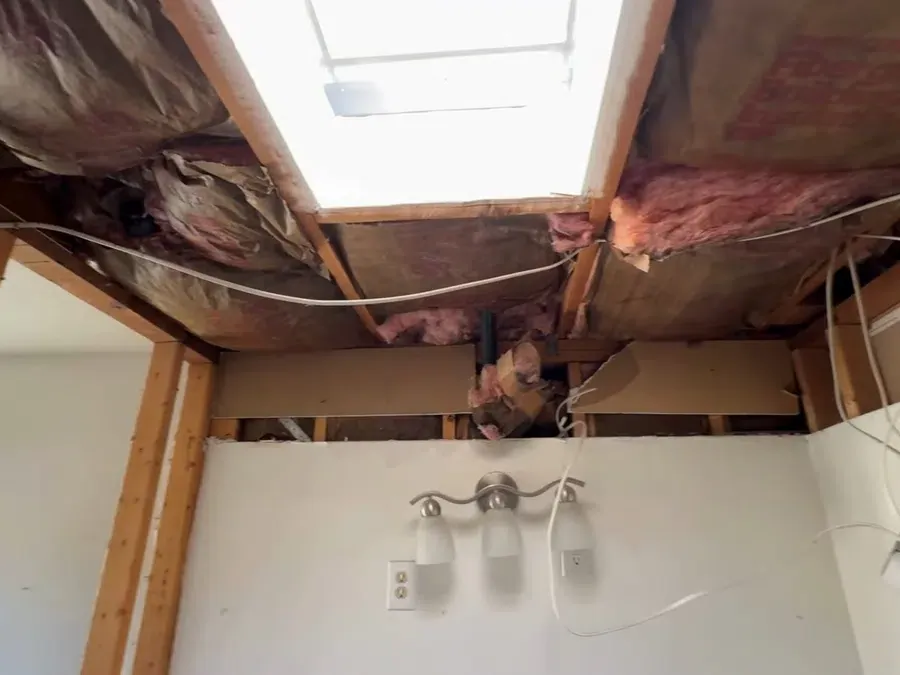
The first hour: stop the source, stay safe, document
What you do in the first hour decides how much of the building can be saved. Water that keeps coming makes every later step pointless, so the order matters.
- Stop the source. Close the stop valve at the fixture or the main shutoff for the house. If the source is a roof, a ceiling or an air conditioner, contain it as far as you can.
- Make the area safe. If water is near outlets, appliances or the electrical panel, switch off power to that area only if you can reach the breaker without standing in water, and stay out of rooms where ceilings sag.
- Photograph and video everything before moving it, with dates, and list damaged items.
- Remove standing water and lift belongings, rugs and small furniture out of the wet area.
- Call the water damage line at (520) 386-1957. Describe the source, how much water, how long it has been wet and whether it was clean supply water, sewage or something else.
Water extraction and removal
| Where the water came from | How it is usually handled | Why |
|---|---|---|
| A supply pipe or fixture (clean water) | Extract, then dry in place; remove only what cannot dry | Clean water damage is the easiest to reverse if dried quickly |
| Sewage or other contaminated water | Remove porous materials and clean with professional help | Bacteria stay in porous materials |
| Storm or outside flooding | Treat as contaminated until a professional says otherwise | Floodwater carries soil and contaminants |
| Roof, air conditioner or irrigation | Fix the source with the right trade first | Drying fails while the source keeps wetting the structure |
Extraction removes standing water with pumps and wet vacuums and then pulls moisture from carpet, pad and flooring. The sooner the bulk water is out, the less it soaks into drywall, baseboards and subfloor. A wet vacuum works for a small spill; a larger loss needs truck-mounted or submersible equipment, and a floor with several inches of water needs a pump first.
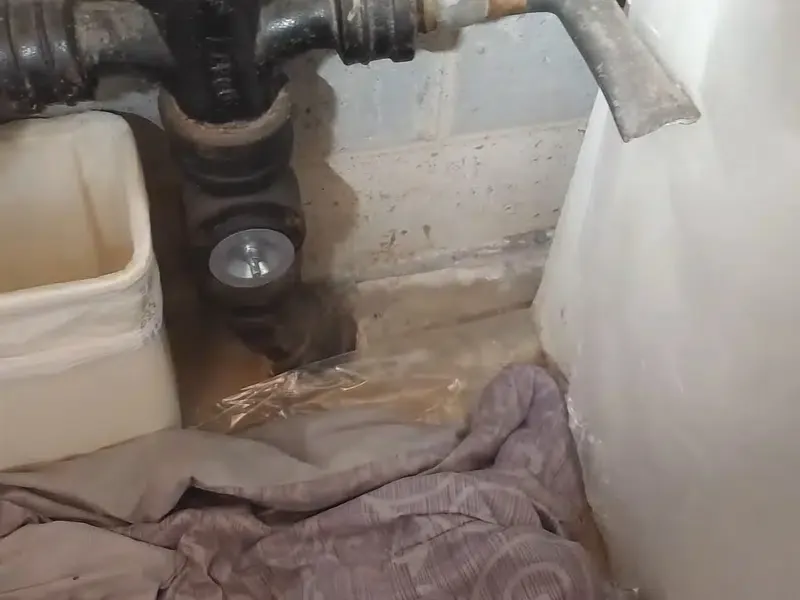
Drying equipment: air movers and dehumidifiers
After extraction, drying equipment moves moist air out of the structure. Air movers blow air across wet surfaces to speed evaporation, and dehumidifiers pull the moisture from the air so it does not settle on the next surface. A moisture meter reads wet materials and shows when a wall, a floor or a cabinet has reached a dry reading. How long the process lasts depends on how much water there was, which materials were wet and how humid the building is.
The U.S. EPA states that water-damaged areas and items should be dried within 24 to 48 hours to prevent mold growth, and that in most cases mold will not grow if wet or damp materials are dried within that window. That is a target, and it is the reason a quick call matters more than a perfect plan. Source: U.S. EPA, How do I get rid of mold?, checked 2026-10-31.
Burst pipe and plumbing leak damage
When the source is a pipe, the plumber repairs the pipe and the restoration work dries what it wet. Find the cause first, whether that is a failed supply pipe, a fixture supply line, an appliance hose or a leaking water heater; drying a wall that is still being wetted accomplishes nothing. If the origin of the water is unclear, see finding where the water came from.
Sewage backup cleanup
A backup carries bacteria, and the guidance for contaminated water differs from clean water: porous materials that soaked up sewage, such as carpet, pad and drywall at the floor line, are usually removed rather than dried. The EPA advises calling in a professional with experience cleaning buildings damaged by contaminated water when sewage is involved. Source: U.S. EPA Mold Information Slideshow, checked 2026-10-31. Fix the blockage before cleanup begins; the page on the line that backed up explains who owns what.
Flooded basement, crawlspace and whole-house flooding
Flooding that comes from outside, from storm runoff or a river, is groundwater and carries soil and contaminants. Whether a house has a basement or a crawlspace depends on how it was built, which this page does not assume. If water has entered a lower level, do not enter if it is deep, since it can hide hazards and electrical risk. Pumping out a flooded space too fast can stress walls and floors from the pressure outside; ask the professional how fast to lower the level.
What happens on a job: the process
- Inspection and moisture mapping: the technician finds which materials are wet and how far the water traveled.
- Extraction of standing water.
- Removal of materials that cannot be dried, such as saturated carpet pad or soaked drywall.
- Placement of air movers and dehumidifiers, with readings taken each visit.
- Monitoring until the materials read dry, then removal of equipment.
- Final walkthrough and written record of readings for the insurer.
Damage assessment and major loss inspection
An assessment lists what was wet, what can be dried and what has to be replaced. On a larger loss, it records the rooms affected, the affected square footage and any structural concerns, and it is the first document an insurer asks for.
Flooring and carpet damage
Carpet can often be saved if it is lifted and dried quickly; the pad usually cannot. Laminate and engineered wood swell and buckle when wet and often have to be replaced, while tile and sealed concrete are easier to dry, though water can sit beneath them. The EPA's mold course describes pulling carpet and pad off the floor and drying them with a fan to reach the 48-hour mark. Source: U.S. EPA Mold Course, Chapter 4, checked 2026-10-31.
Mold testing, inspection and assessment
Mold can appear within days of a wetting, and the question is how much and where. An inspection looks at the materials, the moisture readings and the history of the leak. Testing, which may include air or surface sampling, is a tool to answer a specific question; a plumber is not the right person to interpret lab results, and the choice of who tests should be made separately from who removes, to avoid a conflict of interest.
Mold remediation and removal
The EPA says a moldy area smaller than roughly 10 square feet can in most cases be handled by the homeowner following its guidelines, and that larger problems, or any caused by sewage or contaminated water, call for a professional. Source: U.S. EPA Mold Information Slideshow, checked 2026-10-31. Removal means containing the area, removing materials that cannot be cleaned, cleaning what can be, drying everything and fixing the water source so the mold does not return. We did not find a primary-source state rule on mold remediation licensing, so ask any contractor for license details, a written scope and the standard they work to.
Leaks from sources that are not plumbing
Roof leaks, ceiling stains from an air conditioner drain pan, a window that lets in rain and irrigation that soaks a wall are water damage with a non-plumbing cause. A plumber can stop a pipe, but a roof needs a roofer and an AC drain needs an HVAC technician. The drying and mold steps are the same, so call the water damage line and say what the source is, so the right trades are lined up.
Basement waterproofing and foundation inspection
Waterproofing and foundation repair prevent future water from entering. They are a separate scope from drying a loss that has already happened, and a foundation engineer or a waterproofing contractor handles them.
Insurance claims and loss documentation
An insurer wants proof of the cause, the extent of the loss and the steps taken to limit it. Keep photos and video, the moisture readings, the plumber's written finding of the source, a list of damaged contents with approximate ages and all receipts. Call the insurer early, ask what they require before work begins and keep their instructions in writing. Whether a loss is covered depends on the policy, and slow seepage over a long time is often treated differently from a sudden break.
Condos, apartments and commercial properties
In a condo or apartment, water often comes from a neighbor above, and the association or landlord decides who handles the source. Report it at once, and document before anything is touched. Businesses should also call the building owner and the insurer the same day.
Fire, smoke and odor: where this service stops
Water used to fight a fire causes its own damage, and that water can be dried the same way as any other. Smoke and soot residue and the odor that follows are a different kind of cleanup. When you call the water damage line about a fire loss, say that fire or smoke is involved, so the dispatcher can tell you what can be arranged and what cannot.
Questions about water damage and drying
What should I do in the first hour after water damage at home?
Stop the source, make the area safe, take photos and video, remove standing water and move belongings. Then call the water damage line at (520) 386-1957. Keep fans off visible mold, and do not enter rooms with sagging ceilings.
How does water damage drying work and how long does it take?
Technicians extract standing water, remove materials that cannot be saved and run air movers and dehumidifiers with regular moisture readings. The time depends on how much water there was and what it soaked. The EPA target is dry within 24 to 48 hours to prevent mold.
Should I test for mold or have it removed?
Testing answers a question about what is present and where; removal fixes it. Both depend on the size of the area and the source. The EPA says roughly 10 square feet is a threshold for homeowner cleanup, and sewage or contaminated water calls for a professional.
What do I need to document for an insurance claim?
Dated photos and video, moisture readings, the plumber's written finding of the cause, a list of damaged contents, receipts and the insurer's instructions. Call the insurer early and keep the answers in writing.
What to line up around a water loss
Water on the floor and still coming?
Stop the source first if you can, then call the water damage line. A dispatcher hears the details and routes one of our plumbers to the job.
Call (520) 386-1957 Contact details