Commercial Plumbing in Benson: Grease Traps, Drains and After-Hours Calls for Businesses
A backed-up kitchen drain at lunch, a restroom that will not flush or a water heater that quit overnight stops a business cold. Call and a dispatcher assigns a plumber from our team to the building, with your questions about it logged up front.
Call (520) 340-7175 Business owner answersAfter-hours calls for businesses taken
What counts as commercial plumbing work
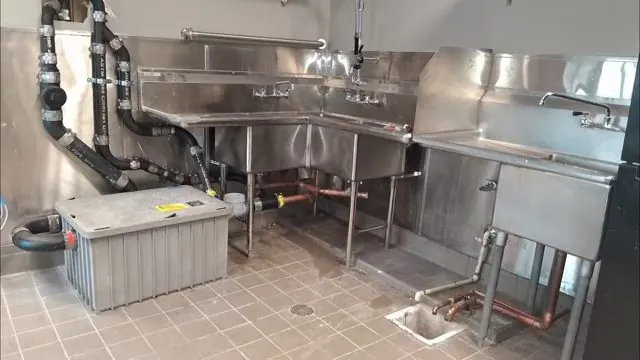
Commercial work covers any building that serves the public or employees: restaurants, shops, offices, apartment buildings, warehouses and light industrial space. The difference from residential work is scale, code and consequences. A leak in a house inconveniences a family; a leak or a backup in a business can close it for the day. Commercial systems also use larger pipe, more fixtures on the same line, grease and sediment traps and equipment that a house does not have.
| Business type | Typical plumbing concerns | Questions to ask |
|---|---|---|
| Restaurant or commercial kitchen | Grease, floor drains, prep sinks, dishwasher lines, water heater demand | Who services the grease trap, and how often? |
| Retail shop or office | Restrooms, a break room sink, a water heater, a main line shared with neighbors | Who owns the lateral if the building is shared? |
| Multifamily or apartment building | Many fixtures on shared stacks, water heaters for multiple units | Which units share the line that backed up? |
| Light industrial or cold storage | Floor drains, large water use, freeze protection | What discharges to the drain, and is anything restricted? |
Grease traps and kitchen drains
A grease trap or interceptor captures fat, oil and grease before it reaches the sewer. When it fills, the grease passes through, coats the line and causes backups that no snake solves for long. Food businesses should know where the trap is, who empties it and on what schedule, and what the local rules require. We did not find a published City of Benson grease rule, so ask the Building Department at (520) 720-6328 and the property owner what applies to your space.
Restaurant and kitchen drain cleaning
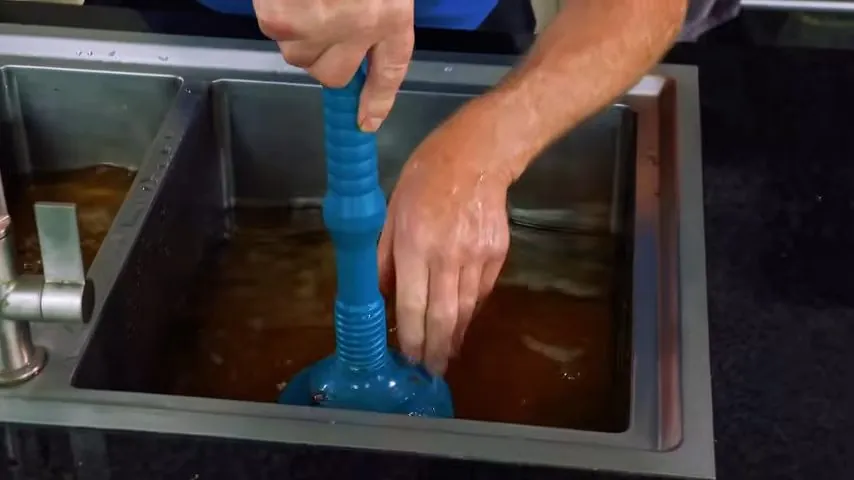
A kitchen drain that backs up during service is a revenue problem. Regular jetting keeps the line open, and a camera check shows whether grease or a structural fault is behind the stoppages. The methods are described on the drain page under hydro jetting and camera checks.
Maintenance contracts: what to ask for in writing
A maintenance agreement sets a schedule for routine work, so problems are found before they become after-hours calls. Ask for the items in the list below to be written down.
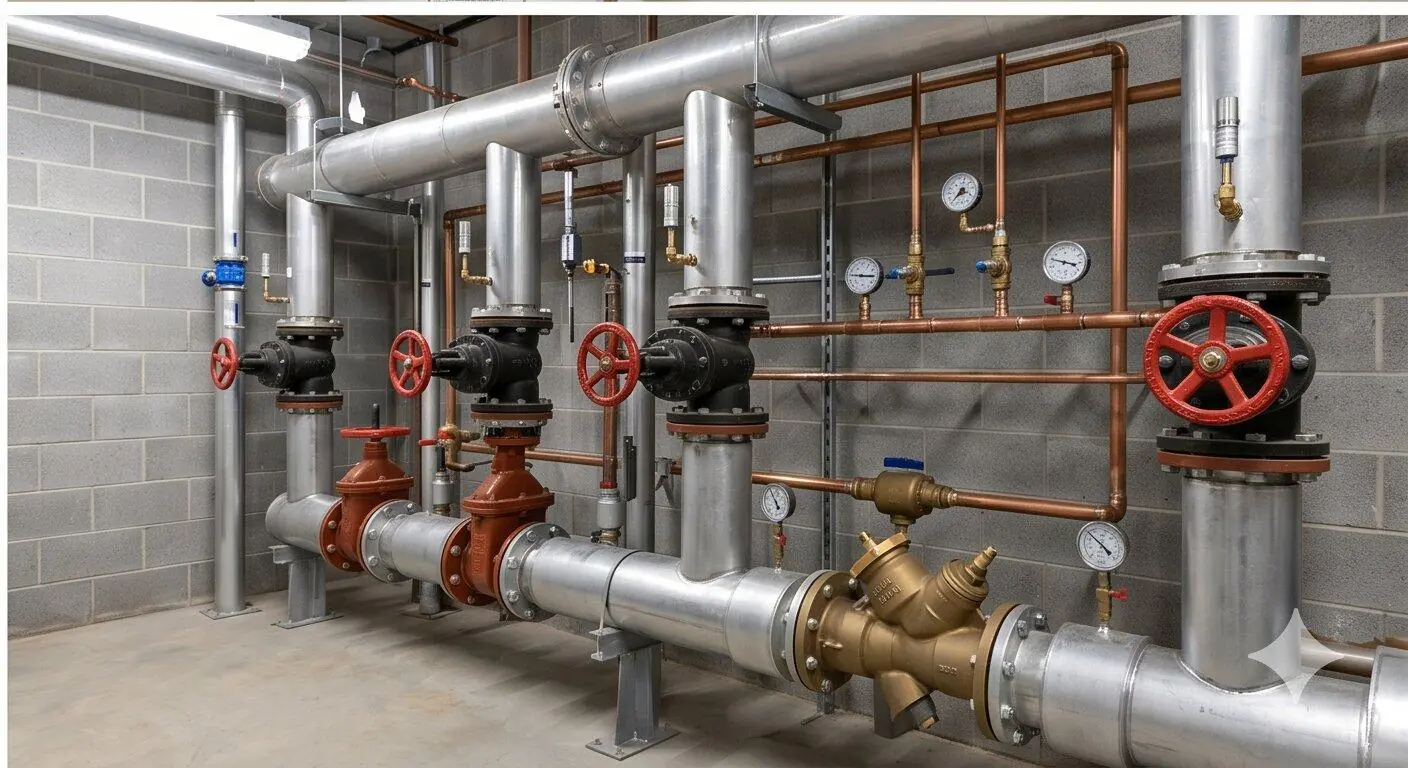
- Which systems are covered: drains, water heater, grease trap, backflow assemblies, restrooms.
- How often each is serviced and what the visit includes.
- Response expectations for urgent calls, and how the dispatcher confirms them.
- What is billed outside the agreement.
- Who keeps the service records and in what form.
- How either side can end the agreement.
Agreements are written between the business and the plumber who performs the work, so confirm each term with that plumber, not with the dispatcher.
After-hours calls for a business
The dispatch line is open around the clock, and the dispatcher needs a few facts to route a business call well: what stopped, whether it is a single fixture or the whole building, whether customers or employees are affected and who has authority to approve work. A business that is a tenant should call the landlord at the same time, since the lease decides who pays for what. Have the shutoff locations, the water heater location and the trap location ready for the plumber.
Leak detection, water heaters and drains
Many commercial calls repeat residential ones at greater scale. Leak detection follows the same principles, with larger meters and longer runs. Water heater work involves capacity for peak demand; see sizing a commercial water heater. Gas piping for ranges, fryers and unit heaters is covered under gas piping for kitchen equipment.
Pipe, slab and sewer repairs
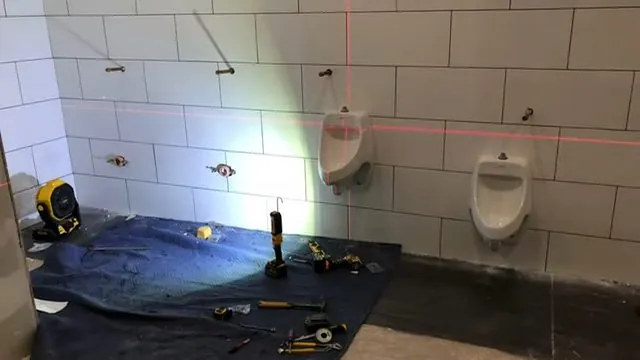
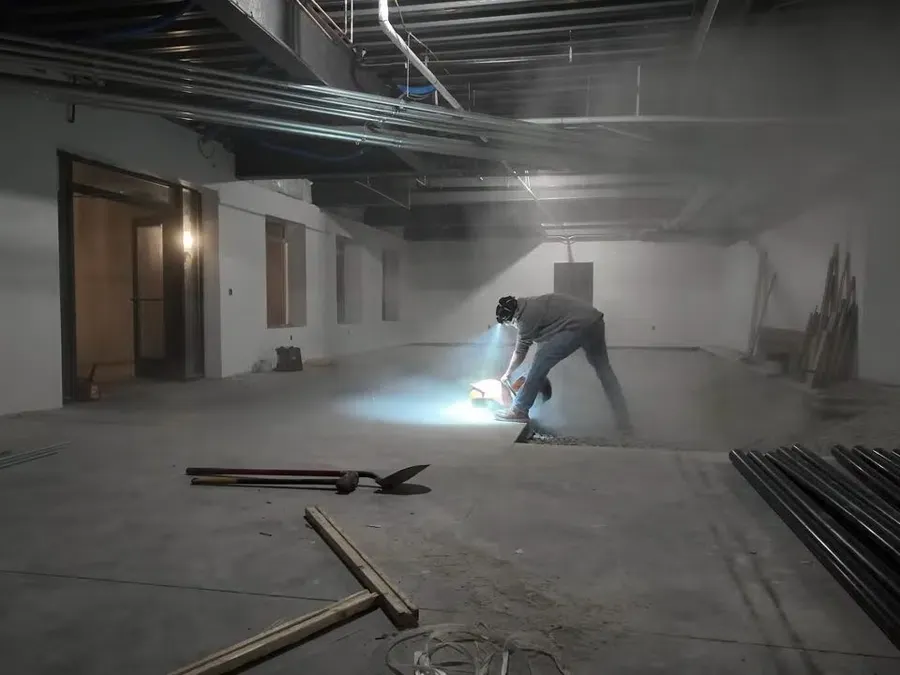
A burst pipe, a slab leak or a sewer break in a commercial building brings the same repair methods as at home, with added coordination: access in a building that is open, work outside business hours and permits that may differ for commercial space. A shared sewer lateral serving several tenants needs the landlord involved, as covered under a lateral that serves the building.
Licensing, permits and documentation
Arizona issues separate contractor licenses for commercial and residential plumbing, plus a dual license covering both, according to the Arizona House staff summary of SB 1670. Licensing guides list these as C-37, R-37 and CR-37, and the Registrar of Contractors classification page is the place to confirm them. Before work starts, ask for the license number and check it on the Registrar's site; the dispatch line can supply details on request. Commercial work commonly needs a permit and an inspection, and the Building Department at (520) 720-6328 can say what applies to your space. Source: bensonaz.gov Building Department codes listing, checked 2026-10-30.
Keep the paperwork: invoices, test results, permit numbers and any reports on backflow assemblies or grease traps. A business owner who can show a record of maintenance is in a better position with an insurer or an inspector, and the records are useful when a loss occurs; for the steps that follow one, see what comes after a water loss.
Questions from business owners
What is the difference between residential and commercial plumbing?
Commercial work covers larger systems with more fixtures, grease or sediment traps, higher demand and stricter code requirements. A failure can interrupt a business, so response time and records matter more.
Who handles grease traps and kitchen drains for a restaurant?
The business or the property owner is usually responsible for trap service, and a plumber cleans the drain lines and checks the interceptor. Ask for the service schedule and the records, and call the Building Department for local rules.
What should a plumbing maintenance contract include?
Which systems are covered, how often they are serviced, what each visit covers, how urgent calls are handled, what is billed separately and how to end the agreement. Get all of it in writing.
Can I call about a plumbing emergency at my business after hours?
Yes. Our dispatch line answers around the clock. Say what stopped, whether customers are affected and who can approve work, and the dispatcher assigns the call to a plumber from our network.
Other pages a business owner may need
Business plumbing down in the middle of the day?
Call, say what stopped and whether customers are affected, and a plumber from our team heads to the property as quickly as conditions allow.
Call (520) 340-7175 Contact details